
Marijuana-Related Business Tiers: A Complete Guide to Licensing and Compliance
Marijuana-related business tiers classify cannabis operations by type (cultivation, manufacturing, distribution, retail) and scale (e.g., Class A license for up to 500 plants). Each tier has specific licensing, banking, and compliance rules under California law.
Banking and Tax Compliance for Marijuana-Related Business Tiers
Each marijuana-related business tier faces unique banking and tax rules. Because cannabis remains federally illegal, many financial institutions hesitate to serve the industry. Here's what you need to know by tier.
| Tier | Banking Options | Tax Code | Key Compliance |
|---|---|---|---|
| Cultivation (Class A, 500 plants) | Limited; some credit unions offer accounts | IRS 280E applies (no deductions for business expenses) | Track plant counts, seed-to-sale records |
| Manufacturing (Type 6, 7) | Few banks; cash-heavy operations | IRS 280E applies | Lab testing, product labeling, child-resistant packaging |
| Distribution (Type 11) | Some local banks; higher fees | IRS 280E applies | Transportation logs, inventory tracking |
| Retail (dispensary) | More options; still limited | IRS 280E applies; sales tax collected | Age verification, purchase limits, security cameras |
| Indirect (ancillary services) | Standard banking available | Standard business tax deductions | No direct cannabis handling |
Dispensaries show up on bank statements under the business name or a DBA, never mentioning "cannabis" explicitly. The SAFE Banking Act, if passed, would allow banks to serve marijuana businesses without federal penalty. For now, many dispensaries operate cash-only or use cash-management services. If you're a business owner, consult a tax professional familiar with IRS 280E and cannabis-specific accounting.

Understanding Marijuana-Related Business Tiers: From Cultivation to Retail
Marijuana-related business tiers categorize cannabis operations by function and scale. California's Department of Cannabis Control (DCC) issues licenses for each tier. Here's a breakdown of the main types.
| Tier | License Types | Example | Key Requirements |
|---|---|---|---|
| Cultivation | Class A (up to 500 plants), Class B, Class C | Small farm growing 500 plants | Local zoning, water rights, security |
| Manufacturing | Type 6 (non-volatile), Type 7 (volatile) | Making edibles or concentrates | Lab testing, food safety, ventilation |
| Distribution | Type 11 | Transporting products to dispensaries | Vehicle permits, inventory tracking |
| Retail | Dispensary license | Storefront or delivery service | Local approval, security, age checks |
| Testing | Type 8 | Independent lab testing potency and contaminants | ISO accreditation, chain of custody |
| Microbusiness | Type 12 | Small operation combining cultivation, manufacturing, and retail | Limited size, all-in-one license |
Each tier has its own NAICS code; for example, cannabis retailers use NAICS 459991. IBISWorld publishes cannabis industry reports that break down market size by tier. To find which tier fits your business, start with the DCC license search tool and check local city rules—Hayward, for instance, allows dispensaries in certain zones.
Choosing the Right Marijuana Business Tier for Your Goals
Selecting the right tier depends on your budget, experience, and local regulations. Here's what drives costs for each option.
| Factor | Why It Matters | Typical Range |
|---|---|---|
| License fees | Annual state and local fees vary by tier and size | $1,000–$100,000+ (varies by city) |
| Real estate | Zoning restricts where each tier can operate | Varies widely by location |
| Security | Required for all tiers; higher for retail and cultivation | $10,000–$50,000+ annually |
| Compliance | Testing, tracking, and reporting costs | $5,000–$30,000+ per year |
| Insurance | Limited options; premiums are high | $10,000–$100,000+ annually |
If you're in Hayward or the East Bay, consider starting with a retail dispensary or delivery service—local demand is strong. For cultivation, a Class A license (up to 500 plants) is a common entry point. Talk to a cannabis attorney or consultant to compare costs in your city.
How to Verify a Licensed Marijuana Dispensary in Your Area
Before visiting any dispensary, confirm it's licensed. Here's a quick checklist to ensure legitimacy.
- Check the DCC license search — Enter the business name or license number on the California DCC website to see if they have an active license.
- Look for a posted license — Licensed dispensaries display their state license visibly at the entrance or counter.
- Verify the license number — Garden of Eden's license is C10-0000295-LIC; you can confirm it online.
- Check local permits — The city or county should also have a business license on file.
- Read recent reviews — Look for mentions of testing, labeling, and professionalism.
If a dispensary can't or won't show its license, that's a red flag. You can also call the DCC directly to confirm.
SAFE Banking Act
The SAFE Banking Act, also known as the Secure and Fair Enforcement Banking Act, is proposed federal legislation that would allow banks to provide financial services to cannabis businesses without fear of federal prosecution. Currently, because marijuana is illegal at the federal level, many banks refuse to work with dispensaries, cultivators, and other cannabis companies, forcing them to operate largely in cash. The act has passed the House multiple times but has stalled in the Senate. If enacted, it would give marijuana-related businesses access to loans, credit cards, and standard checking accounts, making operations safer and more transparent. For anyone entering the cannabis industry, understanding the SAFE Banking Act is crucial because it directly affects how you'll handle money and taxes.
Directions to our dispensary near me in Hayward from Downtown Hayward
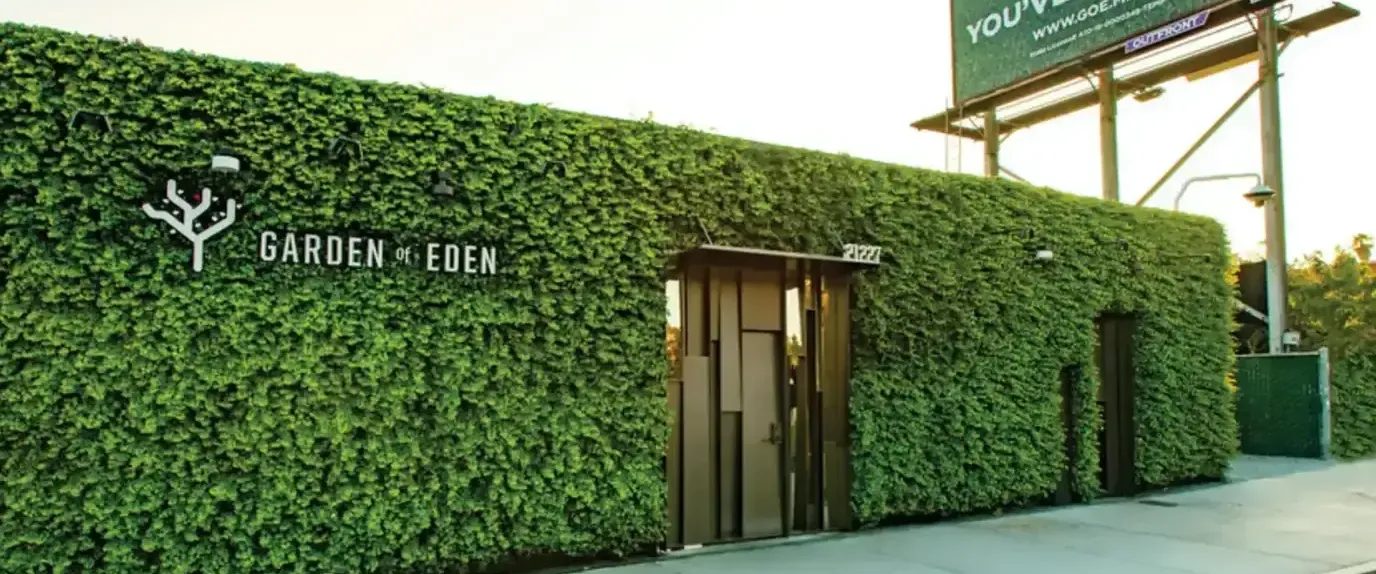
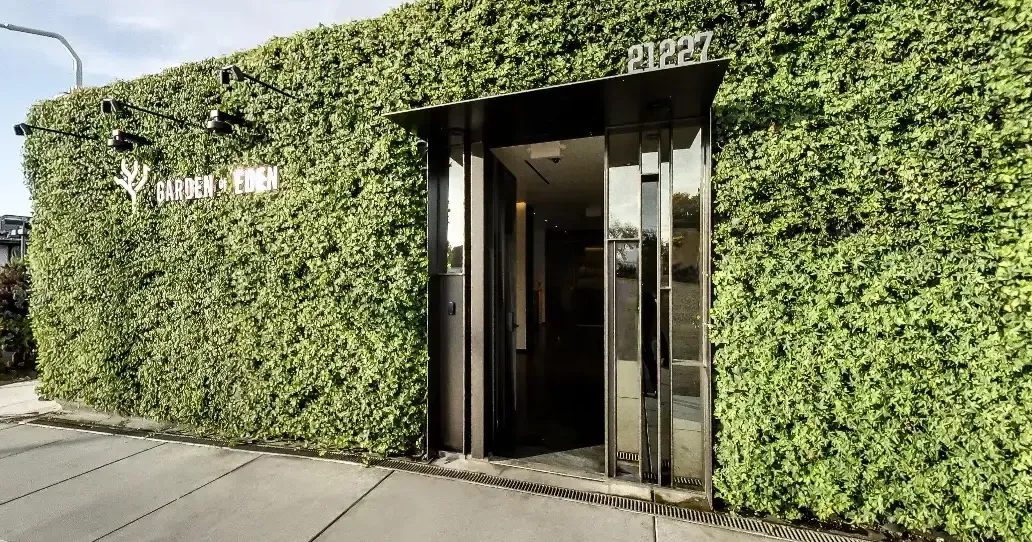
Start at Downtown Hayward and head to Garden of Eden at 21227 Foothill Blvd, Hayward, CA 94541.
Red Flags to Watch for in Marijuana-Related Business Tiers
A good fit if…
- The business has a clear, verifiable state license.
- They accept debit cards or offer transparent payment options.
- Products have lab test results available.
Consider another option if…
- The business only accepts cash and refuses to explain why.
- They cannot or will not show their license.
- Reviews mention unlabeled products or inconsistent quality.
The federal government can shut down unlicensed dispensaries, but state-licensed operations are generally safe. Always verify before purchasing.
How to Apply for a Marijuana Business License by Tier
Getting licensed in California involves several steps. Here's a general process for any tier.
- Research local rules — Check your city or county's cannabis ordinances. Hayward, for example, allows dispensaries in specific zones.
- Choose your tier — Decide between cultivation, manufacturing, distribution, retail, or microbusiness based on your budget and goals.
- Prepare your application — Gather business plans, security plans, zoning approvals, and financial statements.
- Submit to the DCC — Apply through the California Department of Cannabis Control's online portal. Fees vary by tier.
- Pass inspections — Expect site visits for security, labeling, and record-keeping compliance.
- Receive your license — Once approved, you can operate. Renew annually.
For help, consult a cannabis attorney or use the DCC's getting-started guides. If you're in the East Bay, stop by Garden of Eden in Hayward to see how a licensed dispensary operates.
Sources
Also asked as
- What are the different types of cannabis business licenses?
- How do marijuana business tiers work in California?
- What is a Class A cultivation license?
Frequently asked questions
What are some red flags to watch for in a marijuana-related business?
Red flags include refusing to show a state license, operating only in cash without explanation, lacking lab test results for products, and having negative reviews about product quality or safety. Unlicensed businesses risk federal shutdown.
What is the bank policy for marijuana-related businesses?
Most banks avoid cannabis businesses due to federal illegality. Some credit unions and local banks offer accounts with higher fees and strict compliance. The SAFE Banking Act aims to change this but hasn't passed fully. Dispensaries often use cash or cash-management services.
Can the feds shut down a dispensary?
Yes, the federal government can shut down any dispensary, but in practice, they focus on unlicensed or large-scale illegal operations. State-licensed dispensaries that comply with local laws are generally left alone. Always verify a dispensary's license before visiting.
How much money does a dispensary owner make?
Dispensary owner income varies widely based on location, size, and sales volume. In California, a well-run store can generate significant revenue, but high taxes, compliance costs, and limited banking reduce profits. It's best to consult industry reports or a financial advisor for specific numbers.
How do dispensaries show up on a bank statement?
Dispensaries typically appear under the business name or a DBA (doing business as) on bank statements. They avoid using the word 'cannabis' or 'marijuana' to prevent issues with the bank. For example, a purchase at Garden of Eden might show as 'Garden of Eden' or a similar descriptor.