
What is a Medical Cannabis Dispensary?
A medical cannabis dispensary is a licensed, state-regulated retail store where registered patients can buy cannabis products like flower, oils, edibles, and topicals for therapeutic use. These facilities prioritize patient education, safety, and compliance with California's Compassionate Use Program.
What medical cannabis products can you get at a dispensary?
Medical cannabis dispensaries offer a range of products derived from the Cannabis sativa plant, each designed to address different symptoms and preferences. The most common categories include:
Flower – Dried cannabis buds that can be smoked or vaporized. Strains vary in their THC (tetrahydrocannabinol) and CBD (cannabidiol) ratios, allowing patients to choose effects from uplifting to sedating. Oils and tinctures are concentrated liquid extracts taken sublingually (under the tongue) for fast absorption. They are popular for precise dosing. Edibles – such as gummies, chocolates, and baked goods – offer a longer-lasting, smoke-free option but take longer to take effect. Topicals like creams, balms, and patches are applied directly to the skin for localized relief without psychoactive effects. Vapes (cartridges and pens) provide fast-acting inhalation with less odor than smoking. Many dispensaries also carry capsules and suppositories for specific medical needs. At our Hayward dispensary, we grow and cure our own flower, ensuring quality and consistency for our patients. For a visual overview, browse our in-store gallery or ask our staff for recommendations tailored to your condition.

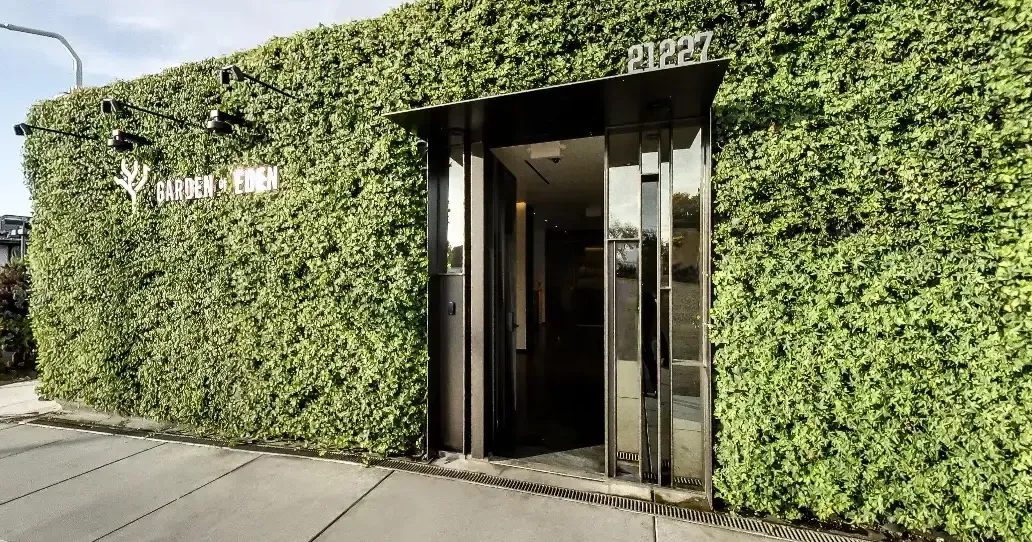

Are medical cannabis dispensaries legal and regulated?
Yes, medical cannabis dispensaries are legal and strictly regulated under California state law. The California Department of Cannabis Control (DCC) issues licenses to ensure compliance with health, safety, and security standards. Each dispensary must hold a valid license – for example, Garden of Eden operates under license C10-0000295-LIC. Regulations cover everything from product testing and labeling to security protocols and record-keeping. Dispensaries are also required to verify patient eligibility through a valid medical cannabis card or doctor’s recommendation. The Compassionate Use Program protects registered patients from state prosecution. Local municipalities may impose additional rules, such as zoning restrictions and operating hours. In Hayward, our dispensary follows all local ordinances, including designated street parking times on Foothill Blvd (7–9am and 4–6pm) and surrounding streets. Always choose a licensed dispensary to ensure product safety and legal compliance. For more on licensing, see our guide to dispensary costs and licensing.
Medical cannabis: benefits, side effects, and what to expect
| Benefit | Common Side Effect | What to Expect |
|---|---|---|
| Pain relief (chronic pain, neuropathy) | Dry mouth, dizziness | Start low, go slow; effects vary by strain and dose |
| Reduced nausea and vomiting (chemo, appetite loss) | Increased appetite, fatigue | Edibles or oils may be easier to tolerate |
| Anxiety and stress reduction | Paranoia or anxiety (high THC) | Choose CBD-dominant or balanced strains |
| Improved sleep (insomnia, PTSD) | Grogginess next day | Use indica strains or edibles before bed |
| Anti-inflammatory (arthritis, Crohn's) | Digestive upset | Topicals or low-dose edibles recommended |
| Seizure control (epilepsy) | Drowsiness, interaction with other meds | Consult neurologist; high-CBD products often used |
Medical cannabis works by interacting with the body's endocannabinoid system, which helps regulate pain, mood, appetite, and memory. The THC and CBD compounds produce different effects. THC is psychoactive, while CBD is non-intoxicating. Side effects can include dry mouth, red eyes, increased heart rate, and temporary memory impairment. Always consult a healthcare professional before starting, especially if you take other medications. The American Public Health Association recognizes therapeutic benefits but emphasizes responsible use under medical supervision.
What is a medical cannabis dispensary and what does it do?
A medical cannabis dispensary is a specialized retail establishment that is legally authorized to distribute cannabis products to registered patients for therapeutic use. Unlike a regular pharmacy or grocery store, a medical dispensary operates under strict state licensing and focuses on patient education and safety. At a dispensary, you can purchase medical marijuana products such as flower, oils, edibles, and topicals, all of which are tested for potency and contaminants. The staff – including dispensary pharmacists – are trained to help you choose the right product for your condition, explain dosing, and discuss potential interactions with other medications. Dispensaries are not just retail stores; they are healthcare-oriented facilities that prioritize your well-being. For a first-time visit, check out our guide on what to expect.
Directions to our dispensary near me in Hayward from Hayward Area Historical Society
Start at Hayward Area Historical Society and head to Garden of Eden at 21227 Foothill Blvd, Hayward, CA 94541.
Who can use a medical cannabis dispensary?
A good fit if…
- You have a qualifying medical condition – such as chronic pain, cancer, epilepsy, PTSD, multiple sclerosis, or severe nausea.
- You have a valid medical cannabis card – issued by a licensed physician in your state.
- You are 18 or older – or have a caregiver who is 21+.
- You are looking for guidance – dispensary pharmacists can help tailor products to your needs.
Consider another option if…
- You do not have a qualifying condition – recreational dispensaries are available for adult-use (21+).
- You are not comfortable with psychoactive effects – CBD-only products may be available without a card in some states.
- You are on medications that interact with cannabis – always check with your doctor first.
To decide, review your state's list of qualifying medical conditions and consult your healthcare provider. In California, conditions include cancer, glaucoma, HIV/AIDS, chronic pain, and others. If you qualify, obtaining a medical card is the first step. For more details, see our first-time customer discounts and info.
Find a licensed medical cannabis dispensary near you
- Verify your eligibility – Ensure you have a valid medical cannabis card or doctor’s recommendation for your state.
- Search for licensed dispensaries – Use your state’s licensing authority (e.g., California DCC) to find compliant locations near you.
- Check location and hours – Visit a dispensary that is convenient. For example, Garden of Eden is at 21227 Foothill Blvd, Hayward, CA 94541, open daily 9am–9pm.
- Call ahead or order online – Many dispensaries offer online ordering and curbside pickup. Call (510) 200-9555 for help.
- Bring required documents – Your medical card and a valid ID. New patients often receive a discount (e.g., 40% off at Garden of Eden).
- Ask questions – Dispensary staff are there to help. Don’t hesitate to ask about products, dosing, and payment options.
We offer same-day delivery to the East Bay (order by 7pm) and free street parking on Foothill Blvd and nearby streets. For a map, see our Hayward dispensary location page.
How does a medical cannabis dispensary work?
- Check in – Present your valid medical cannabis card and government-issued ID at the reception. You may fill out a brief patient intake form.
- Consult with a pharmacist – A dispensary pharmacist will review your condition, symptoms, and any medications to recommend suitable products and dosing.
- Browse or ask for recommendations – You can view products in the display area or ask staff for guidance. Many dispensaries have menus online.
- Make your purchase – Pay for your products. Most medical dispensaries accept cash, debit, or specialized payment systems. Some offer delivery or curbside pickup.
- Learn about usage and storage – Staff will explain how to use your product (e.g., vaporizer temperature, edible onset time) and how to store it safely.
At Garden of Eden, we also offer online ordering and curbside pickup on request. For more on the process, read our first-time visitor guide.
Medical vs. recreational dispensaries: what's the difference?
| Aspect | Medical Dispensary | Recreational Dispensary |
|---|---|---|
| Eligibility | Requires a valid medical cannabis card and qualifying condition | Open to adults 21+ with valid ID |
| Products | Broader range of CBD-rich and high-THC options; often includes low-THC cannabis | Focus on THC-rich products for adult use |
| Dosing guidance | Pharmacists provide one-on-one consultations | Budtenders offer general advice but not medical guidance |
| Taxes | Lower or exempt from certain excise taxes in some states | Higher excise and sales taxes |
| Purchase limits | Higher daily limits for registered patients | Standard state limits (e.g., 1 oz flower per day in CA) |
| Age | 18+ (or with caregiver) | 21+ |
Medical dispensaries are designed to treat specific health conditions, while recreational dispensaries serve general adult use. If you have a chronic condition, a medical card can provide access to more tailored products and potentially lower costs. For a deeper dive, see our comparison of medical and recreational options.
Also asked as
- What is a medical marijuana dispensary and how does it work?
- How is a medical cannabis dispensary different from a recreational one?
- Who can use a medical cannabis dispensary?
Frequently asked questions
How does a medical dispensary work?
You check in with your medical cannabis card and ID, consult with a pharmacist about your condition, choose products, and purchase. Many dispensaries offer online ordering and delivery.
What is the difference between a medical and recreational dispensary?
Medical dispensaries require a valid medical card and focus on patient care with pharmacist consultations, while recreational dispensaries are open to adults 21+ without a medical condition. Medical products often include higher CBD options and lower taxes.
What not to do at a dispensary?
Do not consume cannabis on site, bring minors (unless a caregiver), or use fake IDs. Always follow state and local laws regarding possession limits and public consumption.
Are medical dispensaries cash only?
Many medical dispensaries operate primarily on cash due to federal banking restrictions, but some accept debit cards or specialized payment apps. Call ahead to confirm payment options.