
Recreational Growing Laws: What You Can Grow at Home
In California, adults 21 and older can grow up to six cannabis plants per residence for recreational use. Local ordinances may impose stricter limits, so check your city's rules. Federal law still prohibits cultivation.
California Recreational Growing Laws: Plant Limits and Local Rules
California's recreational growing laws allow adults 21 and older to cultivate up to six cannabis plants per residence. This limit applies regardless of how many adults live in the home. Plants must be grown in a locked, enclosed space that is not visible from public view. Local ordinances can further restrict or ban home cultivation, so it's essential to check your city's specific rules. In Hayward, for example, the city permits indoor growing but may have zoning restrictions. Always verify with your local planning department before starting.
| Rule | Details |
|---|---|
| Plant limit per residence | Up to six plants, regardless of number of adults |
| Age requirement | 21 years or older |
| Location | Must be in a locked, enclosed space not visible from public view |
| Local ordinances | Cities and counties can impose stricter rules or bans |
| Hayward, CA | Indoor growing allowed; check zoning and permit requirements |
| Prop 64 (AUMA) | 2016 initiative that legalized recreational cannabis and home cultivation |
| State oversight | California Department of Cannabis Control (DCC) regulates commercial cultivation |
For more on how these laws affect your choices, see our guide on dispensary near me hayward.
Penalties for Violating Recreational Growing Laws
Breaking California's recreational growing laws can lead to serious consequences. Exceeding the six-plant limit or growing in an unapproved location may result in criminal charges. Penalties vary based on the number of plants and whether the violation involves intent to sell. Below is a summary of potential penalties under California Health and Safety Code 11362.
| Violation | Penalty |
|---|---|
| Growing more than 6 plants (personal use) | Misdemeanor, up to 6 months in jail, fine up to $500 |
| Growing more than 6 plants (with intent to sell) | Felony, up to 3 years in prison, fine up to $10,000 |
| Growing in public view or unsecured area | Infraction, fine up to $250 |
| Illegal cultivation on public land | Felony, up to 5 years in prison, asset forfeiture possible |
| Providing cannabis to minors | Felony, up to 4 years in prison, fine up to $10,000 |
Asset forfeiture laws allow law enforcement to seize property used in illegal cultivation. If you're unsure about your setup, consult a legal professional. For a hassle-free alternative, consider visiting a licensed dispensary like Garden of Eden.
Recreational Growing Laws by State: Where Can You Grow?
As of 2025, 24 states and Washington, D.C., have legalized recreational cannabis for adults. However, not all of these states permit home cultivation. Each state sets its own plant limits and restrictions. Below is a comparison of recreational growing laws in key states.
| State | Recreational Legal? | Home Grow Allowed? | Plant Limit |
|---|---|---|---|
| California | Yes | Yes | 6 plants per residence |
| Arizona | Yes | Yes | 6 plants per adult (max 12 per household) |
| Florida | No (medical only) | No (for recreational) | N/A |
| Ohio | Yes (as of 2024) | Yes | 6 plants per adult (max 12 per household) |
| Oregon | Yes | Yes | 4 plants per residence |
| Colorado | Yes | Yes | 6 plants per adult (max 12 per household) |
| Washington | Yes | No | 0 |
Always check local laws before planting. For more on how these laws compare, see our page on [[marijuana-related-business-tiers|marijuana business tiers]].
Buying Cannabis Legally in Hayward: Dispensaries and Delivery
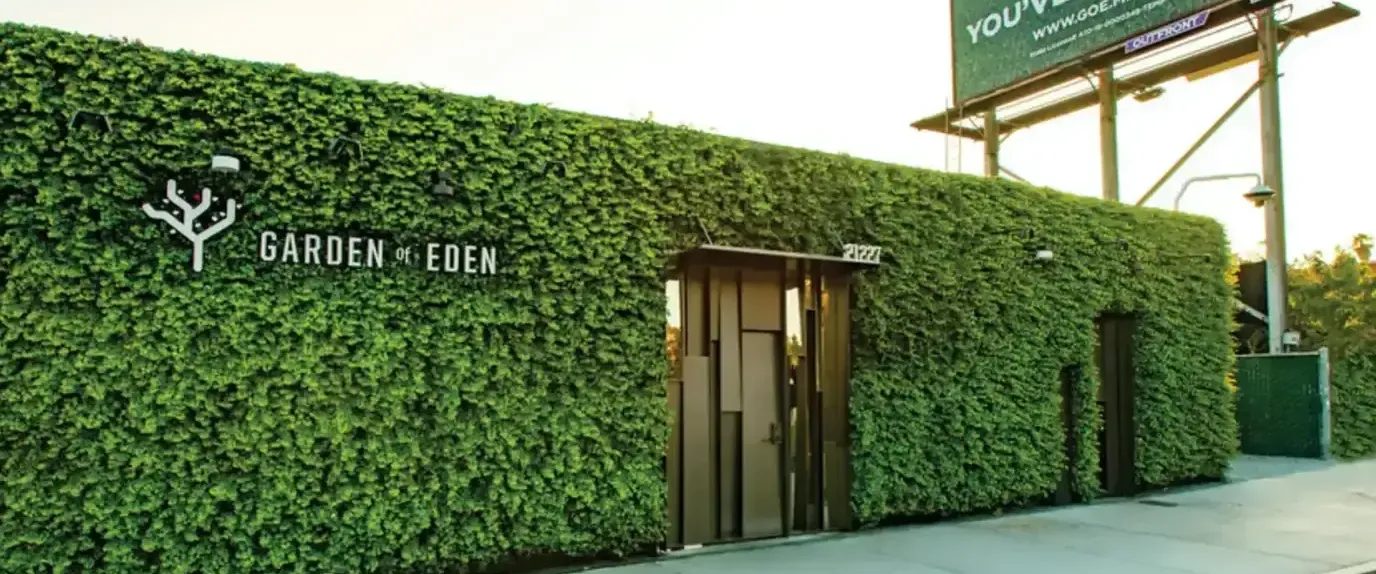
If growing at home seems like too much work, you can buy cannabis legally from licensed dispensaries. Garden of Eden, located at 21227 Foothill Blvd in Hayward, offers a wide selection of flower, edibles, vapes, and concentrates. We also provide same-day delivery to the East Bay if you order by 7pm. Here's how to get started:
- Visit our store — Stop by during our hours (9am to 9pm daily) for in-store shopping. Street parking is available on Foothill Blvd outside 7-9am and 4-6pm, and on Apple Ave, Locust St, and Ash St.
- Order online for pickup — Browse our menu on our website and place an order for quick in-store or curbside pickup.
- Request delivery — Call or text us at (510) 200-9555 to arrange same-day delivery to your home in Hayward, Union City, Fremont, San Leandro, Castro Valley, Oakland, Berkeley, or Dublin.
- Take advantage of deals — New customers get 40% off your first purchase. Seniors, veterans, and SSI recipients enjoy a 10% discount. Join Club Eden for loyalty points.
For more on what to expect, check our page on [[what-to-expect-first-time-dispensary|first dispensary visit tips]].
2016 California Proposition 64
The Adult Use of Marijuana Act (AUMA), also known as Proposition 64, was a 2016 voter initiative that legalized recreational cannabis in California. It passed with 57% voter approval and took effect on November 9, 2016, allowing adults 21 and older to possess up to one ounce of cannabis and grow up to six plants per residence. The law also established a regulatory framework for commercial sales, which began in January 2018. For home growers, Proposition 64 provides the legal foundation for cultivating cannabis, but local ordinances may impose additional restrictions. Understanding this act is essential for anyone considering recreational growing in California.
Directions to our dispensary near me in Hayward from Bayfair Center
Start at Bayfair Center and head to Garden of Eden at 21227 Foothill Blvd, Hayward, CA 94541.
How to Start Growing Cannabis Legally at Home
If you've decided to grow your own cannabis, follow these steps to stay within recreational growing laws. Start small and ensure compliance with local rules.
- Check local ordinances — Confirm that your city or county allows home cultivation. In Hayward, indoor growing is permitted, but verify with the planning department.
- Set up a secure space — Use a locked, enclosed area like a closet, tent, or spare room. Ensure it's not visible from public view.
- Gather materials — You'll need grow lights, pots, soil or hydroponic system, ventilation, and nutrients. Costs vary widely based on setup.
- Source seeds or clones — Obtain from a licensed dispensary or reputable supplier. Garden of Eden can help you find what you need.
- Monitor plant count — Keep no more than six plants per residence. Label and track your plants to avoid accidental overgrowth.
- Harvest and cure — After flowering, harvest and cure your buds properly for the best quality. For tips, see our guide on [[why-is-dispensary-weed-so-dry|why dispensary weed stays fresh]].
For more detailed guidance, the University of California Agriculture and Natural Resources offers research-based resources on cannabis cultivation.
Federal Law vs. State Recreational Growing Laws
While California legalized recreational cannabis, it remains illegal under the federal Controlled Substances Act. This creates a conflict that home growers must understand. Below is a comparison of state and federal positions.
| Aspect | California State Law | Federal Law |
|---|---|---|
| Legal status | Legal for adults 21+ | Illegal (Schedule I) |
| Home cultivation | Up to 6 plants per residence | Prohibited |
| Enforcement priority | State and local agencies | Federal agencies (low priority in legal states) |
| Penalties for compliance | None if following state law | Potential federal charges (rare for personal use) |
Despite federal prohibition, the U.S. Department of Justice has generally deferred to state laws in legal states. However, growing on federal land or crossing state lines remains a federal crime. Always stay within your state's limits to minimize risk.
Comparing Recreational Growing Laws: Arizona, Florida, and More
If you're considering moving or traveling, it's important to know how recreational growing laws differ. Arizona allows adults 21 and older to grow up to six plants per person (max 12 per household). Florida does not permit recreational home growing; only medical patients with a caregiver can cultivate. Ohio, which legalized recreational use in 2024, allows up to six plants per adult (max 12 per household). Below is a quick comparison.
| State | Home Grow Allowed? | Plant Limit | Notes |
|---|---|---|---|
| Arizona | Yes | 6 per adult (max 12 per household) | Must be in a locked, enclosed space |
| Florida | No (recreational) | N/A | Medical only; caregiver cultivation allowed |
| Ohio | Yes | 6 per adult (max 12 per household) | Must be in a locked, enclosed space |
| Nevada | Yes | 6 per adult (max 12 per household) | Only if no dispensary within 25 miles |
| Michigan | Yes | 12 per household | Must be in a locked, enclosed space |
For more on how these laws affect your options, see our page on [[best-online-dispensary-for-flower|best online dispensary for flower]].
Also asked as
- Can I grow cannabis at home legally?
- How many plants can I grow in California?
- What are the penalties for illegal growing?
Frequently asked questions
How much money can you make off 12 plants?
The potential income from growing 12 plants varies widely based on strain, yield, and market prices. In California, a single plant can produce 1–2 pounds of flower, but selling homegrown cannabis is illegal without a license. Growing for personal use saves money on dispensary purchases, but the exact savings depend on your consumption and setup costs.
How many states are recreational legal?
As of 2025, 24 states and Washington, D.C., have legalized recreational cannabis for adults. Each state has its own laws regarding possession, cultivation, and sales. Some states allow home growing, while others prohibit it entirely. Always check local regulations before cultivating.
What state is the most 420 friendly?
States like California, Oregon, Colorado, and Washington are often considered the most cannabis-friendly due to their early legalization, wide availability of dispensaries, and permissive home cultivation laws. California, in particular, offers a robust market and allows up to six plants per residence for recreational growers.